Mindfulness Techniques for Navigating Chaotic Times
Life has a way of throwing curveballs when we least expect them. Whether it’s work stress or personal struggles, chaotic times can leave us feeling overwhelmed and disconnected from ourselves. During these moments, mindfulness becomes our anchor, a way to find calm in the storm and regain our sense of balance.
By developing practical mindfulness techniques we can use anywhere and at any time, we create a toolkit for navigating life’s ups and downs with greater resilience.
Start with Your Breath: Box Breathing
One of the most accessible mindfulness techniques is box breathing. This simple practice can be done anywhere and provides immediate relief from stress and anxiety.
Here’s how to practice box breathing:
Inhale slowly through your nose and silently count to four
Hold your breath and silently count to four
Exhale slowly through your mouth and silently count to four
Hold empty and silently count to four
Repeat this cycle 4-6 times
This technique works by activating your body’s relaxation response, slowing your heart rate, and bringing your attention to the present moment. You can practice box breathing whenever you need to center yourself.
Meditation: Finding Balance
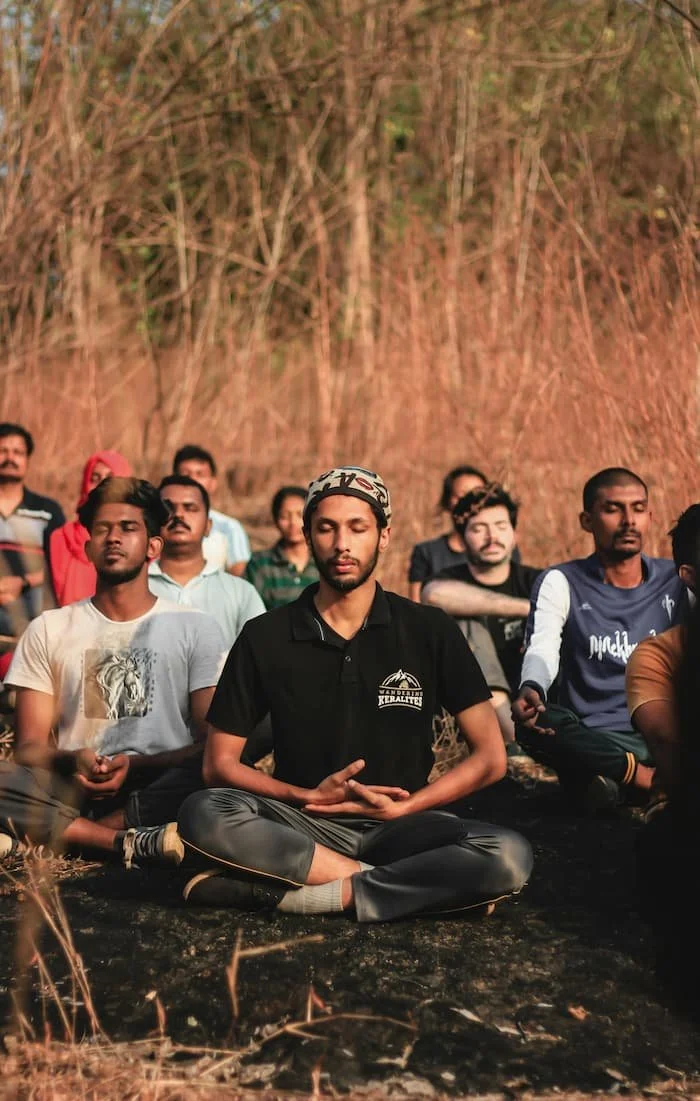
Meditation doesn’t require hours of sitting in silence or perfect conditions. Even five minutes of mindful awareness can make a significant difference in how we experience chaos. Start small with guided meditations using apps or online resources, especially ones that focus on breath awareness or body scanning techniques.
For those who struggle with traditional sitting meditation, try walking meditation. Find a quiet path or even pace slowly around your home, paying attention to each step and the sensation of movement. This approach combines the benefits of meditation with gentle physical activity.
Movement as Mindfulness: Exercise with Awareness
Physical activity becomes a powerful mindfulness tool when we bring conscious attention to our bodies. Whether you’re running or stretching, focus on the sensations of movement, your breathing rhythm, and how your body feels in that space.
Mindful exercise helps release tension while grounding us in physical experiences. Movement can bring us back to the here and now, where we actually have some control.
Talk Therapy: Processing with Support
Sometimes mindfulness means knowing when we need additional support. Talk therapy provides a safe space to process overwhelming emotions and develop personalized coping skills. A therapist can help you understand your unique nervous system responses and develop techniques that work specifically for you.
Journaling: Organizing Inner Chaos
Writing can be a powerful mindfulness practice that helps us make sense of confusing emotions and circumstances. Try stream-of-consciousness writing for ten minutes each morning, letting thoughts flow onto paper without editing or judgment.
You might also explore gratitude journaling, noting three things you appreciate each day. This practice trains your brain to notice positive aspects of life, even during difficult periods.
Creative Outlets: Expression as Medicine
Creative activities like drawing, music, cooking, or fiber crafting engage different parts of our brain and provide natural stress relief. When we’re creating, we often enter a flow state that naturally quiets mental chatter and connects us to the present moment.
No skills are actually required for these creative outlets. The therapeutic value lies in the process of creation itself, not in producing anything “good.”
Building A Personal Toolbox
Different techniques work for different people and their situations. Experiment with various approaches and notice what resonates with you. Some days you might need the immediate relief of box breathing, while other times journaling or creative outlets might serve you better.
The key is consistency rather than perfection. Small moments of mindfulness throughout your day can accumulate into significant changes in how you experience and respond to life’s challenges. Working with a mental health professional can help you find these moments.
Chaotic days are unavoidable, but how we respond is up to us. If the chaos of life has become overwhelming, give us a call and let’s create a plan that helps you stay steady and focused, no matter what comes your way. You can also learn more about mindfulness based therapy with us.